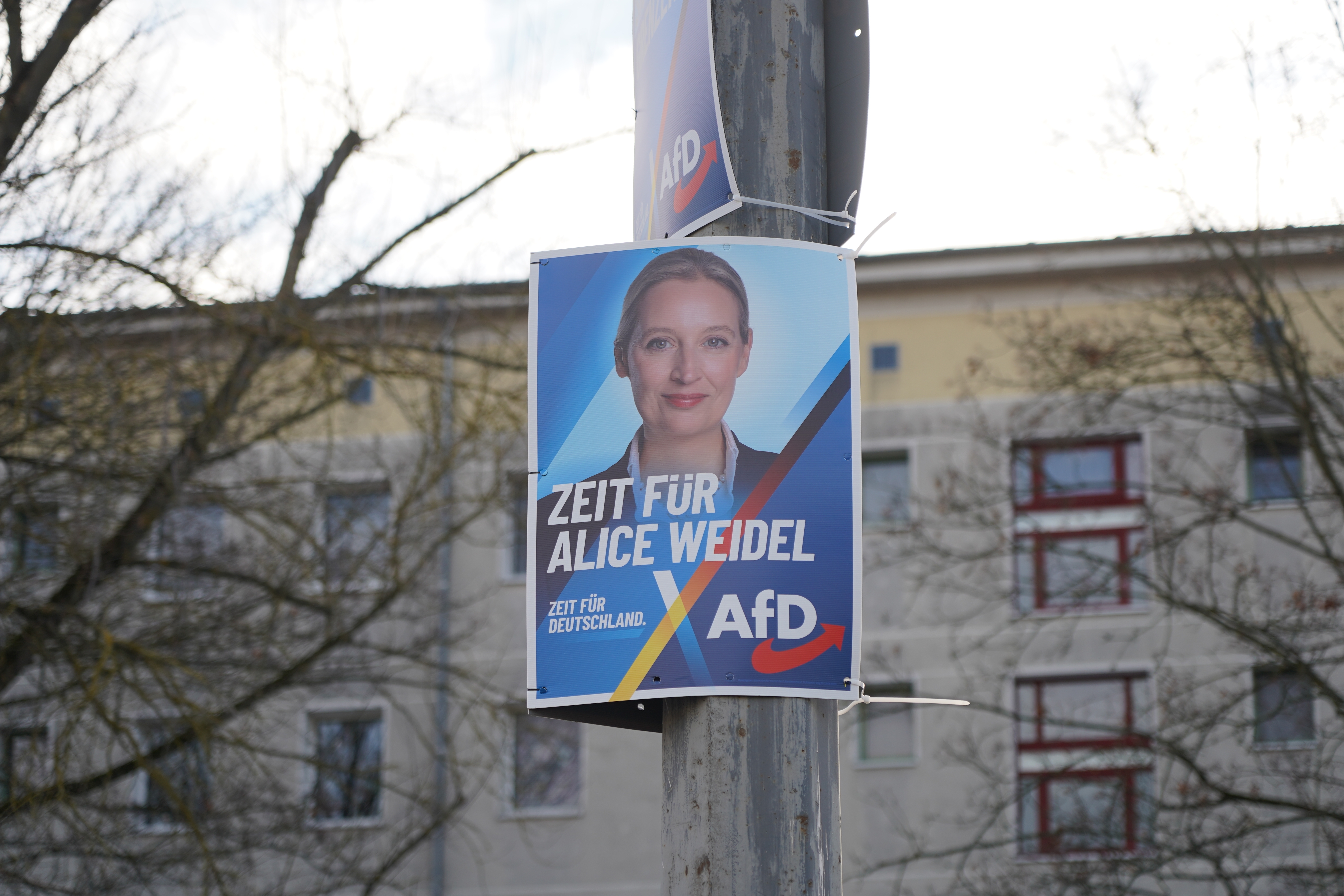
The Multifaceted Ascent of the AfD: Immigration, Economics & Social Media Fueling its Rise
The political landscape of Germany, long characterized by stable centrist parties, has undergone a dramatic transformation. At the heart of this shift lies the Alternative for Germany (AfD), a party that has rapidly evolved from a niche Eurosceptic movement into a formidable political force. Often polling at significant levels and even achieving an astounding *afd platz zwei* (second place) in many regional and national surveys, the AfD's trajectory is a compelling case study of modern populism. Its rise is not a singular phenomenon but rather a complex interplay of demographic shifts, economic anxieties, cultural discontent, and the potent reach of digital communication. Understanding these interconnected drivers is crucial to grasping the profound changes reshaping German democracy.
The Shifting Sands of German Politics: From Niche to Nation's Contender
The AfD's origins were humble, born in 2013 out of disillusionment with the Eurozone crisis and Germany's bailout policies. Initially comprising economists and conservative intellectuals, its focus was primarily economic. However, a pivotal moment arrived in 2015 with the European refugee crisis. Chancellor Angela Merkel's decision to open Germany's borders to over a million refugees catalyzed a societal earthquake. For many, this event triggered profound anxieties about national identity, social cohesion, and the perceived inability of the government to control its borders.
The AfD swiftly capitalized on these fears, pivotally shifting its platform to prioritize anti-immigration rhetoric and a staunch emphasis on national sovereignty. This strategic reorientation transformed the party from an academic discussion forum into a mass movement. Voters who felt their concerns about immigration were being ignored or dismissed by mainstream parties found a voice in the AfD. This period marked a critical inflection point, propelling the party into state parliaments and, ultimately, the Bundestag, establishing it as a serious contender, often vying for or achieving *afd platz zwei* in key electoral battles or opinion polls. The party successfully positioned itself as the only true opposition to what it branded as the "establishment consensus." For a deeper dive into these initial catalysts, explore
AfD's Ascent: Unpacking the Factors Behind Germany's Populist Surge.
Economic Discontent and East German Grievances: A Fertile Ground
While immigration provided the initial spark, deeper socio-economic factors have continued to fuel the AfD's sustained growth. For decades, Germany's political landscape was dominated by traditional mainstream parties like the CDU/CSU and the SPD. However, years of coalition governments led to a perceived policy convergence, leaving many voters feeling that their concerns were no longer adequately represented. This sense of being unheard was particularly acute among segments of the working class and those struggling economically. The AfD emerged as an outlet for this accumulated frustration, presenting itself as the "people's party" fighting against a distant, detached political elite in Berlin.
Nowhere is this dynamic more pronounced than in Germany's eastern states. More than three decades after reunification, economic disparities persist, and many East Germans feel marginalized and overlooked by the Western-dominated political and economic establishment. The promise of parity has, for many, remained unfulfilled. The AfD has masterfully tapped into this deep-seated resentment, portraying itself as the champion of the "common person" against perceived injustices. This economic grievance, combined with a sense of historical oversight, has allowed the AfD to secure a disproportionately strong base in the East, often challenging and sometimes surpassing traditional parties to become the leading political force, underscoring its *afd platz zwei* status in many regional polls. By offering simplistic solutions to complex problems and validating the frustrations of a neglected populace, the party has carved out a loyal and robust electoral constituency.
The Digital Battlefield: Social Media's Role in Amplifying the Message
In an age where information is consumed rapidly and selectively, social media platforms have proven to be an indispensable tool for the AfD. Traditional media outlets in Germany often maintain a critical stance towards the party, scrutinizing its policies and exposing its more radical elements. However, this mainstream media criticism has inadvertently pushed the AfD to innovate its communication strategies.
The party has skillfully leveraged platforms like Facebook, X (formerly Twitter), and Telegram to bypass traditional gatekeepers and directly engage with potential voters. This direct line of communication allows the AfD to disseminate its message unfiltered, tailor content to specific demographics, and rapidly respond to political developments. More critically, social media has facilitated the creation of self-contained "information ecosystems" where AfD supporters primarily consume news and analysis from sources aligned with the party's viewpoint. Within these digital echo chambers, the party's narratives – often critical of immigration, climate policy, and "woke" cultural trends – are reinforced and amplified. This direct digital engagement strengthens voter loyalty, mobilizes grassroots support, and enables the party to maintain a constant presence in public discourse, effectively countering negative press and solidifying its position as a major political player, often cited as *afd platz zwei* in the digital sphere's influence. The ability to control its narrative and foster a loyal online community has been a game-changer for the AfD, illustrating the potent influence of digital propaganda in modern politics.
Cultural Anxieties and the Quest for Identity: Beyond Economics
Beyond immigration and economics, a significant undercurrent fueling the AfD's rise is a pervasive sense of cultural anxiety and a quest for national identity. While Germany's overall crime rates have not seen a dramatic increase, the AfD effectively weaponizes specific incidents, particularly those involving migrants, to cultivate an impression of societal breakdown and insecurity. By highlighting individual cases, they amplify a generalized fear that society is becoming less safe and that traditional values are under threat.
Furthermore, many AfD supporters express discomfort with the increasing diversification of German society and the prominence of progressive social agendas. Issues like climate policy, gender equality, and LGBTQ+ rights, while central to mainstream political discourse, are often perceived by this demographic as an imposition of "liberal elites" that neglect or actively undermine traditional German values and ways of life. This cultural unease taps into a deeper historical context: Germany's post-WWII "de-Nazification" efforts, while crucial for rebuilding democracy, inadvertently suppressed overt expressions of national identity for decades. The AfD, by wrapping nationalism in the guise of populism, offers an outlet for this suppressed "potential energy," framing itself as the protector of German culture and identity against perceived external and internal threats. This powerful blend of security concerns and cultural nostalgia resonates deeply with a segment of the electorate, contributing significantly to the AfD's growing electoral strength and cementing its status as a top-tier party, frequently achieving *afd platz zwei* in voter preference. To understand how they have managed to outmaneuver the established parties, read
How AfD Overtook Germany's Old Guard: A Deep Dive into Electoral Wins.
Conclusion
The rapid ascent of the Alternative for Germany into a major political force, consistently polling at or near *afd platz zwei*, is a complex narrative woven from threads of immigration policy, economic grievances, the shrewd utilization of social media, and deep-seated cultural anxieties. From its origins as a Eurosceptic fringe group, the AfD has capitalized on moments of national crisis and a growing disillusionment with traditional politics. Its success is a testament to its adaptability, its ability to tap into the fears and frustrations of significant segments of the German populace, particularly in the East, and its effective use of digital platforms to forge a direct connection with its base. The AfD is no longer a temporary protest phenomenon; it is a permanent fixture in German politics, reflecting broader trends of right-wing populism, societal fragmentation, and the global challenge to established liberal democracies. Its continued influence will undoubtedly shape Germany's future political trajectory for years to come.